
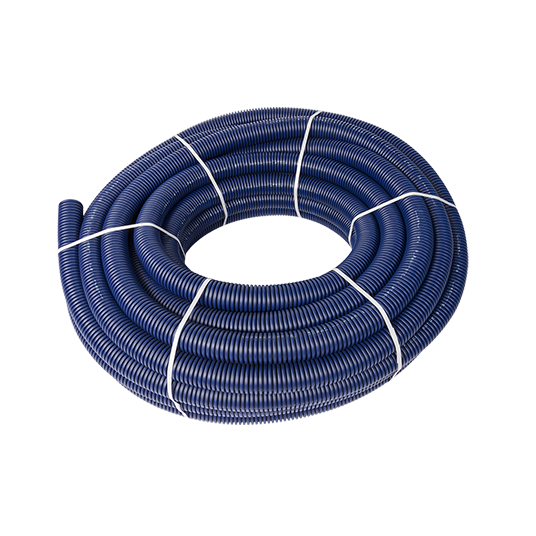
Effective ventilation is essential for maintaining indoor air quality, comfort, and energy efficiency in residential buildings. Semi-rigid ducting has emerged as a popular choice for ventilation systems across Europe and in UK housing due to its numerous advantages over traditional and more complex rigid ducting systems. This brief report explores the benefits and advantages of semi-rigid ducting in the context of UK housing, highlighting its impact on indoor air quality, energy efficiency, installation flexibility, and durability.
Improved Airflow and Performance:
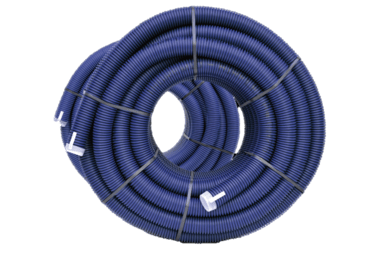
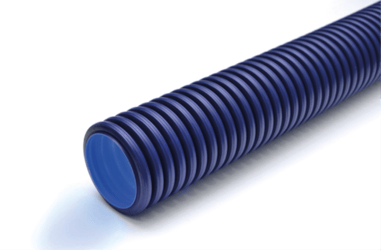
Semi-rigid ducting, typically made from materials such as PVC, offers smoother interior surfaces compared to flexible ducting, reducing airflow resistance and pressure drops whilst allowing for a fully flexible ducting system..
The smooth surfaces of semi-rigid ducting minimize frictional losses, allowing for more efficient airflow distribution throughout the ventilation system and improving overall system performance.
Antibacterial, antifungal and antistatic layers manufactured into the ducting helps to further improve the quality of the air supplied to the dwellings, improving health of occupants.
Enhanced Durability and Longevity:
Semi-rigid ducting is resistant to punctures, tears, and crushing, ensuring durability and longevity in residential applications.
Unlike flexible ducting, which can collapse or become damaged over time ( flexible ducting is not an approved solution in Part F of the building regulations), semi-rigid ducting maintains its shape and structural integrity, reducing the need for frequent maintenance and replacement. Rigid branch ducting is traditionally used in the UK and is difficult to install due to the design importance of required components having to line up and fit together exactly with specialist low modulus sealant and duct tape. Errors in Rigid duct assembly result in air leakage inefficiency particularly when flat duct systems are required.
Ease of Installation and Flexibility:
Semi-rigid ducting is lightweight and easy to handle, facilitating quick and straightforward installation by HVAC install professionals.
The flexibility of semi-rigid ducting allows for a significantly faster system install with easy routing around obstacles and tight spaces, minimizing the need for additional fittings and maximizing usable space within the building envelope. The connecting components are achieved with fast connections (push fit and locking slides), which are air-tight and robust allowing for much easier cleaning than for a branch system.
Reduced Air Leakage and Energy Loss:
The rigid nature of semi-rigid ducting minimizes air leakage and duct losses compared to flexible ducting, improving energy efficiency, reducing heating and cooling costs.
By ensuring airtight connections and proper sealing, semi-rigid ducting helps maintain the integrity of the ventilation system, preventing air leaks and optimizing thermal performance.
Compliance with Building Regulations:
Semi-rigid ducting materials and installation methods comply with relevant building regulations and standards, such as Building Regulations Part F in the UK.
By choosing semi-rigid ducting that meets regulatory requirements, homeowners can ensure compliance with ventilation standards and regulations, avoiding potential issues during building inspections, certifications, health and running costs.
Semi-rigid ducting offers numerous advantages and benefits for ventilation systems in UK housing, including improved airflow performance, durability, ease of installation, energy efficiency, and regulatory compliance. By incorporating semi-rigid ducting into residential ventilation designs, homeowners and builders can create healthier, more comfortable, and energy-efficient indoor environments whilst reducing the installation time and costs and reducing the risk of installation issues.
References:
Building Research Establishment. (n.d.). Energy Efficiency in Buildings: Research Highlights.
UK Government. (n.d.). Building Regulations Part F.
Chartered Institution of Building Services Engineers. (n.d.). Guide B: Heating, Ventilating, Air Conditioning, and Refrigeration.
