

Indoor air quality (IAQ) is a critical factor affecting the health, comfort, and wellbeing of occupants in residential, commercial, and institutional buildings. In the United Kingdom (UK), IAQ is influenced by various factors such as building design, ventilation systems, occupant activities, and outdoor air pollution. This report provides an overview of indoor air quality in the UK, examining key pollutants, sources of contamination, health effects, regulations, and strategies for improving IAQ.
Indoor air quality refers to the condition of indoor air in buildings, including homes, offices, schools, and public spaces. Good IAQ is essential for maintaining a healthy and comfortable indoor environment, while poor IAQ can lead to health problems, discomfort, and reduced productivity. In the UK, IAQ is influenced by factors such as building materials, heating systems, cooking practices, and outdoor pollution sources.
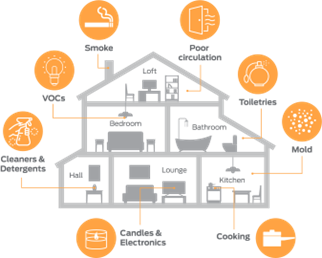
Key Pollutants and Sources:
Particulate Matter (PM2.5 and PM10): Particulate matter consists of tiny particles suspended in the air, originating from sources such as traffic emissions, combustion processes, and indoor activities like cooking and smoking. PM2.5 and PM10 can penetrate deep into the respiratory system, causing respiratory problems and cardiovascular diseases.
Volatile Organic Compounds (VOCs): VOCs are emitted from building materials, furnishings, cleaning products, and indoor activities such as cooking and smoking. Common VOCs include formaldehyde, benzene, and toluene, which can have adverse health effects, including eye irritation, respiratory issues, and neurological symptoms.
Carbon Dioxide (CO2): CO2 is produced by human respiration and combustion processes. Elevated CO2 levels in indoor environments indicate poor ventilation and inadequate air exchange, leading to drowsiness, headaches, and impaired cognitive function.
Radon: Radon is a naturally occurring radioactive gas that can enter buildings through cracks in the foundation. Prolonged exposure to radon increases the risk of lung cancer, making it a significant IAQ concern in many areas of the UK.
Health Effects of Poor IAQ:
Respiratory Issues: Exposure to indoor pollutants such as PM2.5, VOCs, and allergens can exacerbate respiratory conditions such as asthma, allergies, and chronic obstructive pulmonary disease (COPD).
Cardiovascular Diseases: Fine particulate matter (PM2.5) can penetrate the bloodstream, leading to cardiovascular problems such as heart attacks, strokes, and hypertension.
Neurological Symptoms: Some indoor pollutants, such as VOCs and carbon monoxide (CO), can impair cognitive function, cause headaches, dizziness, and fatigue, and exacerbate mental health issues.
Regulations and Guidelines: The UK has regulations and guidelines in place to address indoor air quality in buildings:
Building Regulations: Part F of the Building Regulations in England and Wales sets requirements for ventilation, ensuring adequate air exchange and IAQ in new and existing buildings.
Health and Safety Executive (HSE): The HSE provides guidance on managing indoor air quality and controlling exposure to hazardous substances in the workplace.
World Health Organization (WHO): The WHO publishes guidelines for indoor air quality, recommending limits for key pollutants and providing guidance on monitoring and mitigation strategies.
Strategies for Improving IAQ:
Effective Ventilation: Proper ventilation is essential for diluting indoor pollutants and maintaining IAQ in the UK’s increasingly airtight homes. Mechanical ventilation systems particularly MVHR that have built in air filtration, and air purifiers can help remove contaminants and ensure adequate air exchange.
Source Control: Minimizing indoor pollution sources, such as smoking, cooking without proper ventilation, and using products with high VOC emissions, can help reduce exposure to harmful pollutants.
Air Filtration: High-efficiency particulate air (HEPA) filters and activated carbon filters available in mechanical ventilation with heat recovery systems can capture fine particles, allergens, and VOCs, improving IAQ and reducing health risks.
Radon Mitigation: Radon testing and mitigation measures, such as sealing cracks in foundations and installing radon ventilation systems, can reduce radon levels in buildings and minimize health risks.
Indoor air quality is a significant concern in the UK, with potential health implications for occupants of residential, commercial, and institutional buildings. Addressing indoor air pollution requires a multifaceted approach, including effective ventilation, source control, air filtration, and radon mitigation measures. By implementing regulations, guidelines, and best practices for improving IAQ, stakeholders can create healthier and more comfortable indoor environments for building occupants across the UK.
References:
UK Government. "Building Regulations."
Health and Safety Executive (HSE). "Indoor Air Quality."
World Health Organization (WHO). "Indoor Air Quality Guidelines.
