
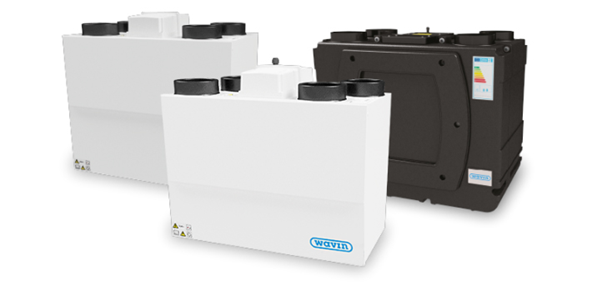
Recent updates to building regulations in the United Kingdom (UK) have introduced new requirements and standards for ventilation systems in residential and commercial buildings. These regulations aim to improve indoor air quality (IAQ), reduce energy consumption, and enhance occupant comfort and wellbeing. This report provides an overview of the new regulations for ventilation in the UK, highlighting their objectives, key provisions, implications, and considerations for building designers, developers, and homeowners.
Ventilation is a critical aspect of building design, affecting indoor air quality, occupant health, and energy efficiency. The introduction of new regulations for ventilation in the UK reflects growing concerns about IAQ, moisture control, and energy consumption in buildings. This report examines the key features and implications of the new regulations for ventilation, focusing on their impact on building design, construction, and operation.
Objectives of the Regulations:
Improved Indoor Air Quality (IAQ): The regulations aim to ensure that indoor environments have adequate ventilation to remove pollutants, allergens, and excess moisture, thereby safeguarding occupant health and wellbeing.
Energy Efficiency: By promoting energy-efficient ventilation systems and controls, the regulations seek to minimize energy consumption associated with heating, cooling, and ventilation, leading to lower utility bills and reduced carbon emissions.
Moisture Control: Proper ventilation helps prevent moisture buildup, condensation, and mould growth within buildings, reducing the risk of structural damage, health problems, and maintenance issues.
Key Provisions of the Regulations:
Ventilation Rates: The regulations specify minimum ventilation rates for different types of spaces, such as bedrooms, living rooms, kitchens, and bathrooms, based on occupancy and activity levels. These rates ensure sufficient air exchange to maintain IAQ and occupant comfort.
Ventilation Systems: The regulations require the installation of mechanical ventilation systems in new buildings, such as continuous mechanical extract ventilation (MEV/ dMEV) or better still is mechanical ventilation with heat recovery (MVHR), to provide consistent and balanced airflow removal and supply air with pollutant removal through an integrated filter system.
Energy Efficiency Standards: Ventilation systems must meet energy efficiency standards and performance criteria to minimize heat loss and energy consumption. Energy-efficient motors, smart controls, and heat recovery technologies are encouraged to maximize energy savings.
Commissioning and Maintenance: Building owners are responsible for commissioning and maintaining ventilation systems to ensure optimal performance and compliance with regulatory requirements. Regular inspections, servicing, and filter replacements are essential to prevent system malfunctions and IAQ problems.
Implications and Considerations:
Design and Construction: Architects, engineers, and builders must incorporate ventilation requirements into building design and construction practices, including ductwork layout, equipment sizing, and system integration.
Cost and Affordability: The upfront cost of installing mechanical ventilation systems may increase construction expenses for developers and homeowners. However, the long-term benefits of improved IAQ, energy savings, and occupant comfort justify the investment.
Occupant Education: Educating building occupants about the proper operation and maintenance of ventilation systems is essential for maximizing IAQ benefits and energy efficiency. User manuals, training sessions, and online resources can help promote responsible ventilation practices.
Regulatory Compliance: Ensuring compliance with the new regulations for ventilation and over heating is essential for obtaining building permits, approvals, and certifications. Building professionals must stay informed about regulatory updates and standards to meet compliance requirements.
The most recent regulations in Part F and Part O for ventilation in the UK represent a significant step towards improving IAQ, energy efficiency, and occupant comfort in buildings. By mandating the installation of mechanical ventilation systems and promoting energy-efficient design and operation, the regulations aim to create healthier, more sustainable, and resilient indoor environments for occupants. Addressing challenges related to design, cost, occupant education, and regulatory compliance is essential for successfully implementing the new ventilation requirements and achieving their intended goals.
References:
UK Government. "Approved Document F: Ventilation."
Building Regulations Advisory Committee (BRAC). "Guidance on Indoor Air Quality (IAQ) and Ventilation in Buildings."
