
The UK is facing a growing climate challenge as intense rainfall, prolonged drought, and rising temperatures, coupled with rapid urbanisation, places intense strain on aging water infrastructure.
The question is no longer whether our cities should adapt to these changes, but how. The answer to this lies in a holistic approach, incorporating surface water management and sustainable drainage systems (SuDS) with biodiversity enhancements to improve overall climate resilience. As those within the built environment respond to a changing climate, blue-green infrastructure is increasingly being chosen as a valuable solution in creating resilient, sustainable, and comfortable urban environments.
Why Urban Climate Resilience Has Become a Priority
The UK climate is becoming increasingly volatile with more frequent, unpredictable weather events. According to The Met Office’s latest State of the Climate Report, six of the ten warmest years on record have occurred since 2014, and five of the ten wettest years in the UK’s rainfall series (dating back to 1836) have taken place since 2000.
At the same time, the latest report from the Climate Change Committee (CCC) states that the UK is not equipped for the realities of climate change. With already strained drainage systems and reduced green areas, there is mounting pressure to implement a solution that delivers now, and in the future.
Much of the UK’s drainage infrastructure is aging, in some cases dating back to the Victorian era. These outdated systems are ill-equipped to handle today’s climate realities with the combination of heavy rainfall and drought leading to an overloaded network where flash flooding becomes a reality.
Our urban environments must now work harder than ever before, withstanding too much and too little water, all while supporting biodiversity and reducing the environmental impact.
Balancing Flood Resilience with Biodiversity
The rapid urbanisation of our towns and cities has led to a serious decline in the UK’s biodiversity. The recent State of Nature report found that one in six species in the UK is at risk of becoming endangered, a reality that has led to the introduction of planning regulation such as Biodiversity Net Gain (BNG). These new regulations make it a requirement for developers and specifiers to work together to improve their impact on the natural environment.
The challenge for specifiers and developers is clear: to deliver infrastructure the meets necessary environmental legislation to protect these areas for future generations.
The critical role of integrated solutions
Creating an integrated surface water management system means stepping away from single solutions and widening the focus to deliver a more holistic approach, with blue-green infrastructure playing a key role.
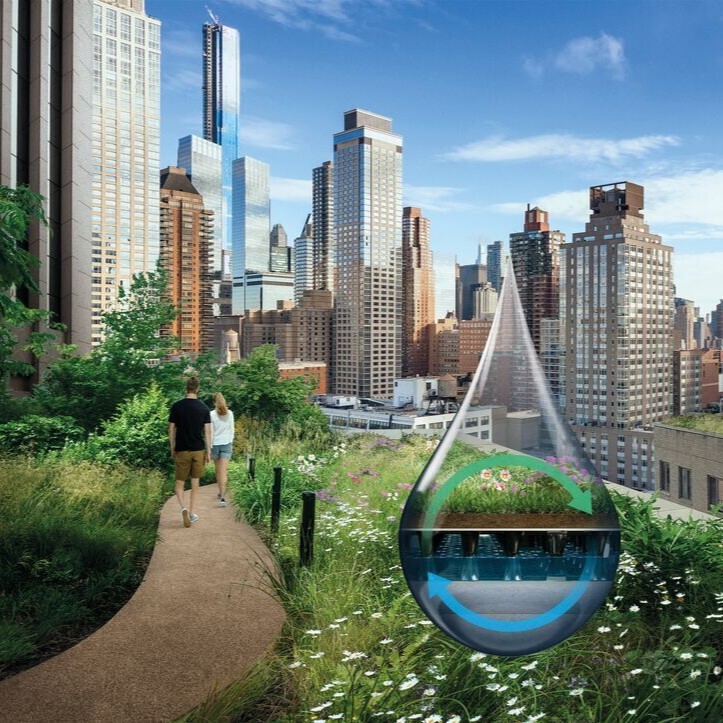
The combination of smart water management systems (blue) and natural vegetation and planted areas (green), create a solution that retains rainwater and supports biodiversity efforts. These areas can include rain gardens, permeable paving, and blue-green roofs.
Blue-green roofs capture, store, and slowly release rainwater to prevent rapid surface water runoff which could overwhelm drainage systems, causing localised flooding. As flooding costs the UK economy an estimated £2.2 billion annually, any measure which can improve resilience is seen as an essential part of future developments.
Smart technology - smart solutions
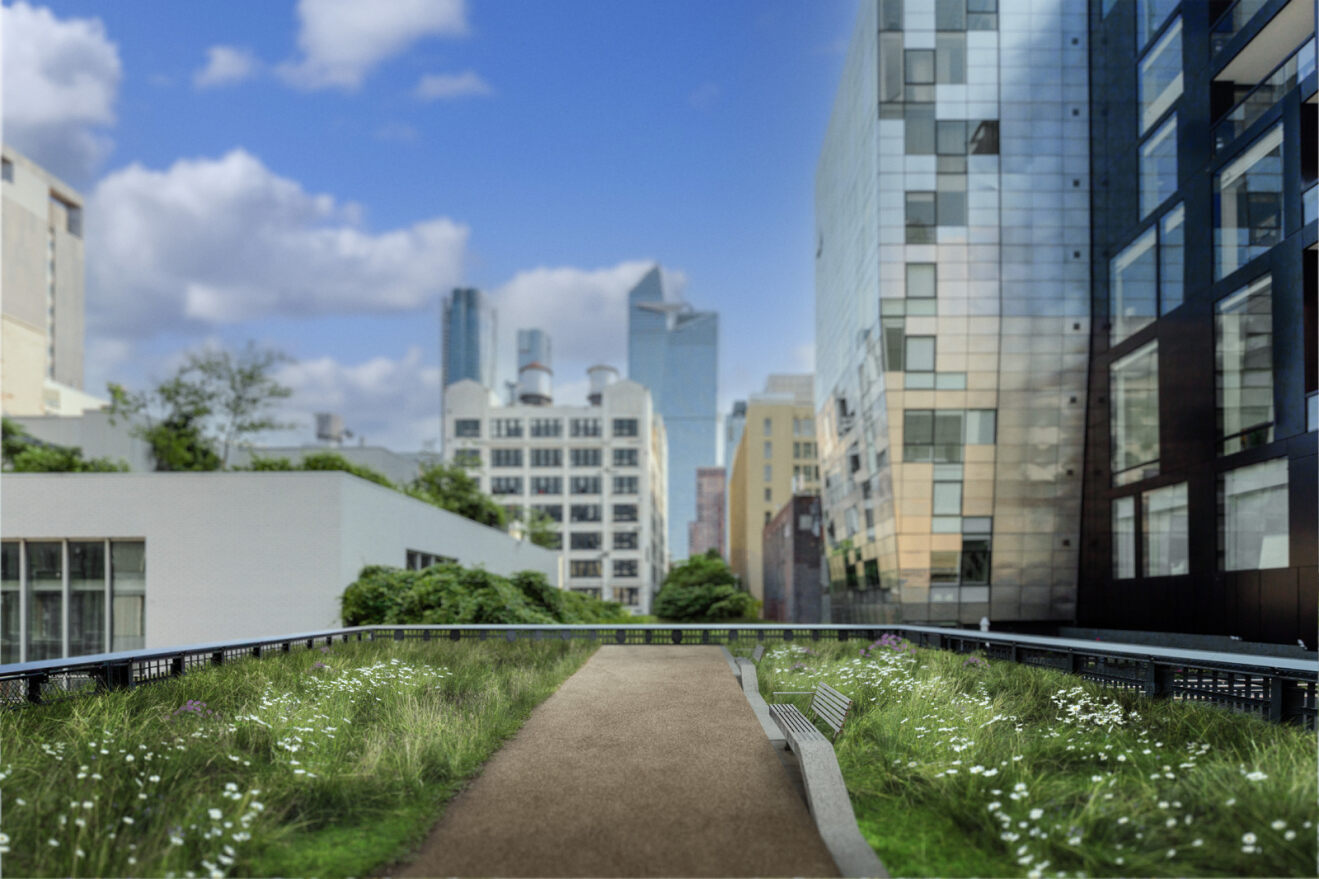
As well as protecting existing infrastructure, blue-green roofs can also support wider sustainability targets. Natural green elements contribute to increased biodiversity, helping to improve air quality and reduce heat within the building, while creating natural habitats on otherwise unused space. These areas can also support occupant wellbeing, creating an accessible, naturally calming environment in areas where green space may be limited.
Incorporating blue technology alongside the green space allows stored water to be reused to support the growth, delivering a consistent supply of nutrients to reduce the requirement ongoing maintenance.
With mounting pressure from climate change, blue-green technology must continue to evolve with the integration of intelligent water management technology.
Solutions such as Wavin’s PolderRoof transforms flat, often unused space into smart water reservoirs, capable of automatically responding to changing weather conditions. Intelligent sensors monitor water levels and forecasts to store rainwater during wet periods, using it to irrigate the rooftop garden above during dry spells.
A blueprint for resilient cities
There is no doubt that climate resilience cannot be overlooked, with developers, designers, and specifiers being placed under increasing pressure to integrate SuDS solutions into every project.
Blue-green infrastructure is essential to future-proofing urban landscapes, combining nature and technology to boost climate resilience and meet BNG goals. As standards are tightened, incorporating this technology into the early planning phase offers a practical path towards creating sustainable environments. Learn more about Wavin’s PolderRoof and discover how we can support you on your next project.
