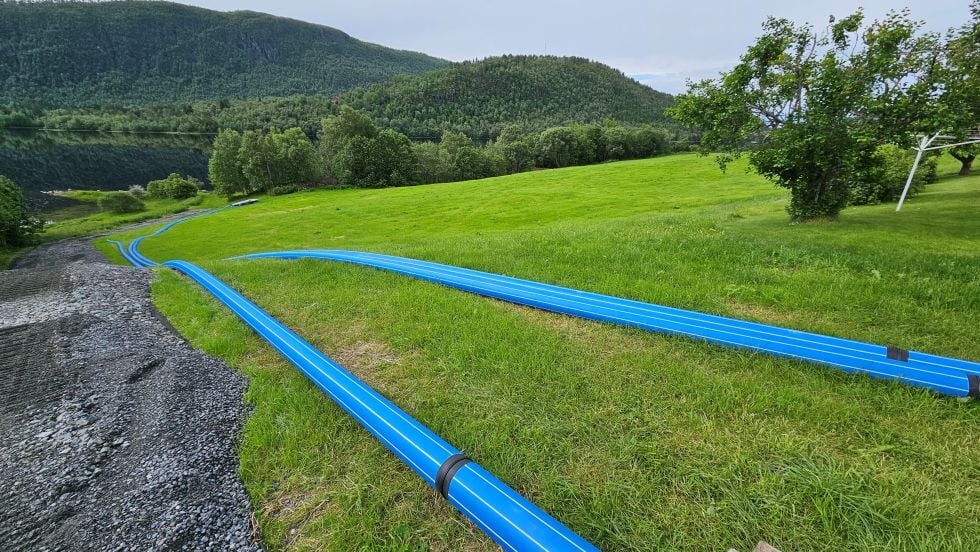
Maintaining a complete, reliable overview of water and wastewater infrastructure is one of the sector’s biggest challenges. Critical assets are often buried underground or hidden behind walls and façades, with related documentation scattered across fragmented systems and manual records. As time passes, it becomes increasingly difficult for municipalities and utilities to access accurate information about this infrastructure, complicating planned maintenance and making sustainable, long-term decisions more difficult.
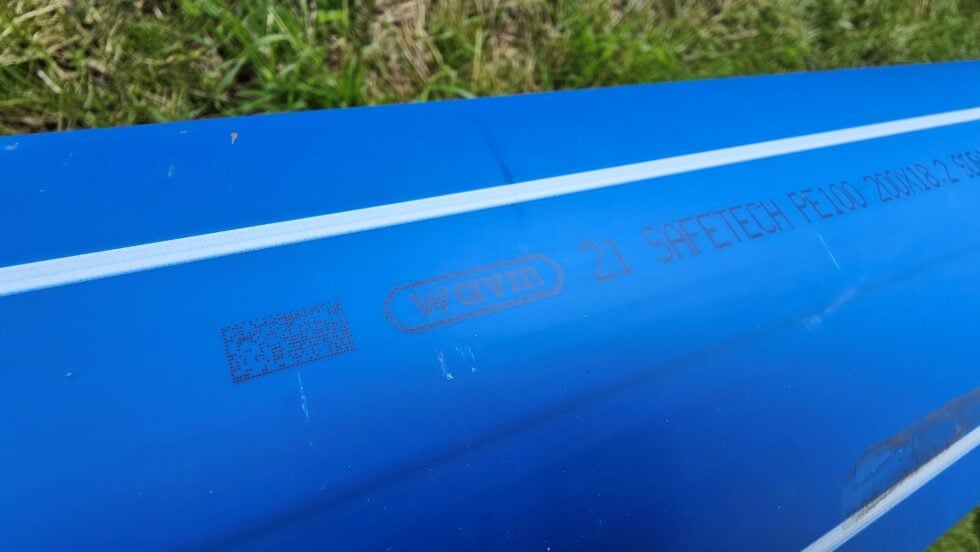
Digital Product Passports (DPPs) directly answer this challenge. A DPP is a structured, digital record that follows a product throughout its entire lifecycle, acting as a single, machine-readable source of truth. It brings together essential information about product identity, such as production date, batch number, material composition and pressure class, as well as details on technical performance, environmental and compliance data, and lifecycle instructions, all accessible through a digital carrier such as a QR or Data Matrix code. This same identifier also allows this information to be automatically integrated into municipal systems via industry databases, ensuring continuity long after an asset is put in the ground.
Beyond compliance: A more transparent and sustainable future
For DPPs, the direction of travel is clear. The EU, under the Ecodesign for Sustainable Product Regulation (ESPR) and the revised Construction Products Regulation (CPR), requires staggered implementation of DPPs from 2027, aiming for cross-industry adoption for most product groups in 2030. With this clear timeline, forward-thinking infrastructure providers and public authorities can begin exploring how to move beyond compliance to create operational value.
At Wavin, we’re committed to supporting customers on this journey. DPPs aren’t just a regulatory obligation; they’re a foundation for a more transparent, traceable and sustainable approach to product and environmental data. Our ambition is to help municipalities and utilities build strategies that work now and are ready to scale in the future.
To achieve this, we’re investing early, testing assumptions and learning alongside our customers. Instead of waiting for final standards, we’re already exploring how DPPs can improve data quality, decision-making and long-term infrastructure management.
Turning future strategy into practical support
A strong DPP strategy is rooted in the understanding that reliable product and environmental data must travel together. By combining transparency and traceability, owners can better understand what’s in the ground, where it came from, how it performs and how it should be maintained in the future.
At Wavin, we’ve been building the foundations for this strategy for a long time. Every meter of PE pipe we produce in Hammel, Denmark, carries a matrix code that links each product to essential information spanning its entire lifecycle. This provides a consistent identifier that connects the physical assets to structured digital information.
Once the EU regulations come into force, specified products on the EU market will need to feature digital carriers like matrix codes, QR codes or other secure digital formats linking the physical product to machine-readable information, including lifecycle and environmental data, manufacturing and production information, standardized product identifiers such as Global Trade Item Numbers (GTINs) and EU-recognized digital identifiers.
The pilot project in Norway that’s putting DPPs into practice
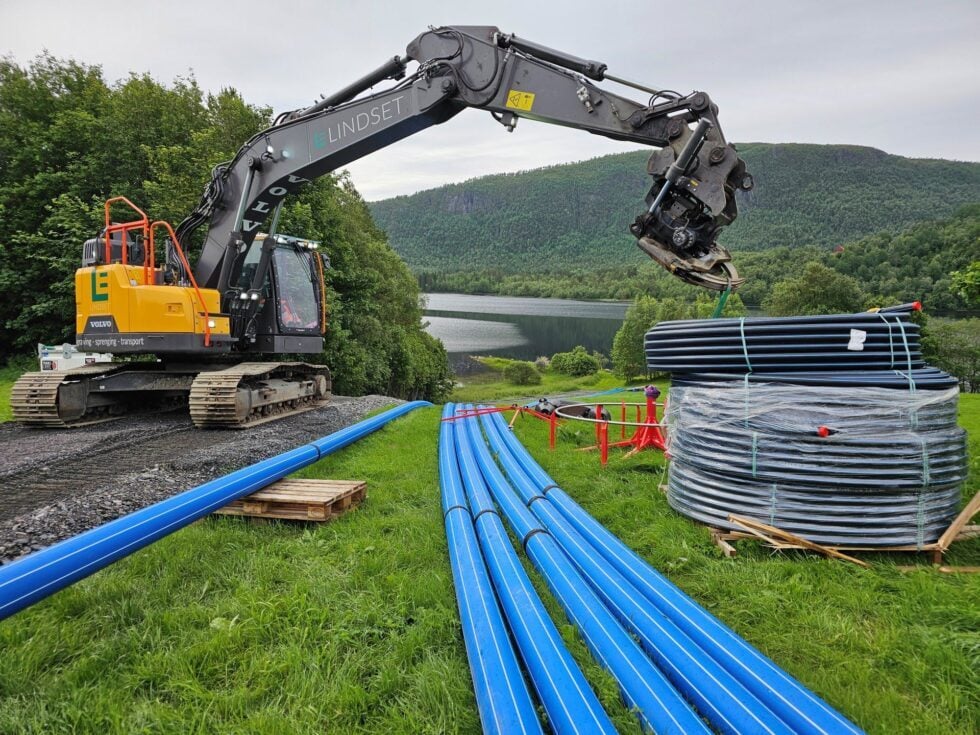
A compelling example of DPPs in practice is Wavin’s pilot project in Ålesund, where we installed approximately 600 meters of new water mains using digitally identifiable pipes. Each pipe was equipped with a unique matrix code, giving instant digital access to essential information.
The aim wasn’t to test the technology for its own sake; it was to explore practical ways to reduce costs, simplify data registration and exchange, reduce errors across the infrastructure lifecycle, and add value through a product’s lifecycle using DPPs. It’s a challenge many municipalities face: maintaining accurate oversight of buried assets and hidden infrastructure while reducing manual processes and the risk of error.
By linking each pipe directly to reliable product and location data, the pilot provided practical insights into how to simplify surveying, documentation and future maintenance for generations to come. For municipal engineers and surveyors, the benefits were immediate:
- Automatic registration of product data, eliminating manual entry
- Accurate geolocation from the outset, improving safety and efficiency
- Reduced risk of documentation errors, with long-term implications for maintenance and renewal
For Ivan Spiranec, construction technician and surveyor at Ålesund’s Water and Wastewater department, rapid registration and accurate documentation made an immediate difference. Product data and coordinates were completely accurate from the outset, improving efficiency and operational safety. The pilot also highlighted how DPPs eliminate human error from manual data entry, a small change with long-term implications.
At a time when water and wastewater utilities face budget constraints, skills shortages and significant renewal backlogs, these incremental efficiency gains will make a significant positive difference.
Learning while shaping a global approach
Despite the pilot's relatively small scale, it created an effective learning environment where a range of cross-functional teams could work together to test how DPP concepts translate into everyday workflows and inform broader, global strategies.
A critical success factor in the Ålesund pilot was collaboration across organizations and systems. Product data from Wavin is stored in the Norwegian NOBB database and integrated with municipal network data, enabling seamless data exchange and eliminating duplicate work.
Over time, the EU plans to establish a single, central database, helping teams across planning, modeling and operations use it. This multi-disciplined approach is key; when databases “speak the same language,” infrastructure data becomes an active asset rather than static documentation.
For public sector clients managing long-lived asset portfolios, this level of standardization will be essential, aligning with the broader EU vision for DPPs: interoperable, standardized data ecosystems that function across borders, sectors and digital platforms.
Supporting customers today and tomorrow
At Wavin, we’re excited to be part of the evolving DPP landscape. We’re already on the road to DPP adoption, using pilots like Ålesund to support customers today while jointly exploring how DPPs should develop in the years ahead.
These DPP conversations are only just beginning. As standards mature and platforms evolve, collaboration will be critical. We invite municipalities and utilities to engage with us, share their challenges and help shape how DPPs deliver value in practice. With strong partnerships, we can turn data into insight and insight into action, shaping a better future for water infrastructure.
Interested to learn more about Wavin's other digital platforms and services, click here.
